
Everything You Need To Know About PRP Therapy For Hair Thinning And Loss: Efficacy, Safety, And More
Are you experiencing a receeding hairline?
thinning hair, and other signs of hair loss? If you’re looking for ways to reverse these, PRP therapy may be the treatment for you. This approach uses your body’s healing power to stimulate hair growth, but how effective is it?
In this article, we will discuss everything you need to know about PRP therapy for hair loss: its procedure, efficacy, who is it for, and more.
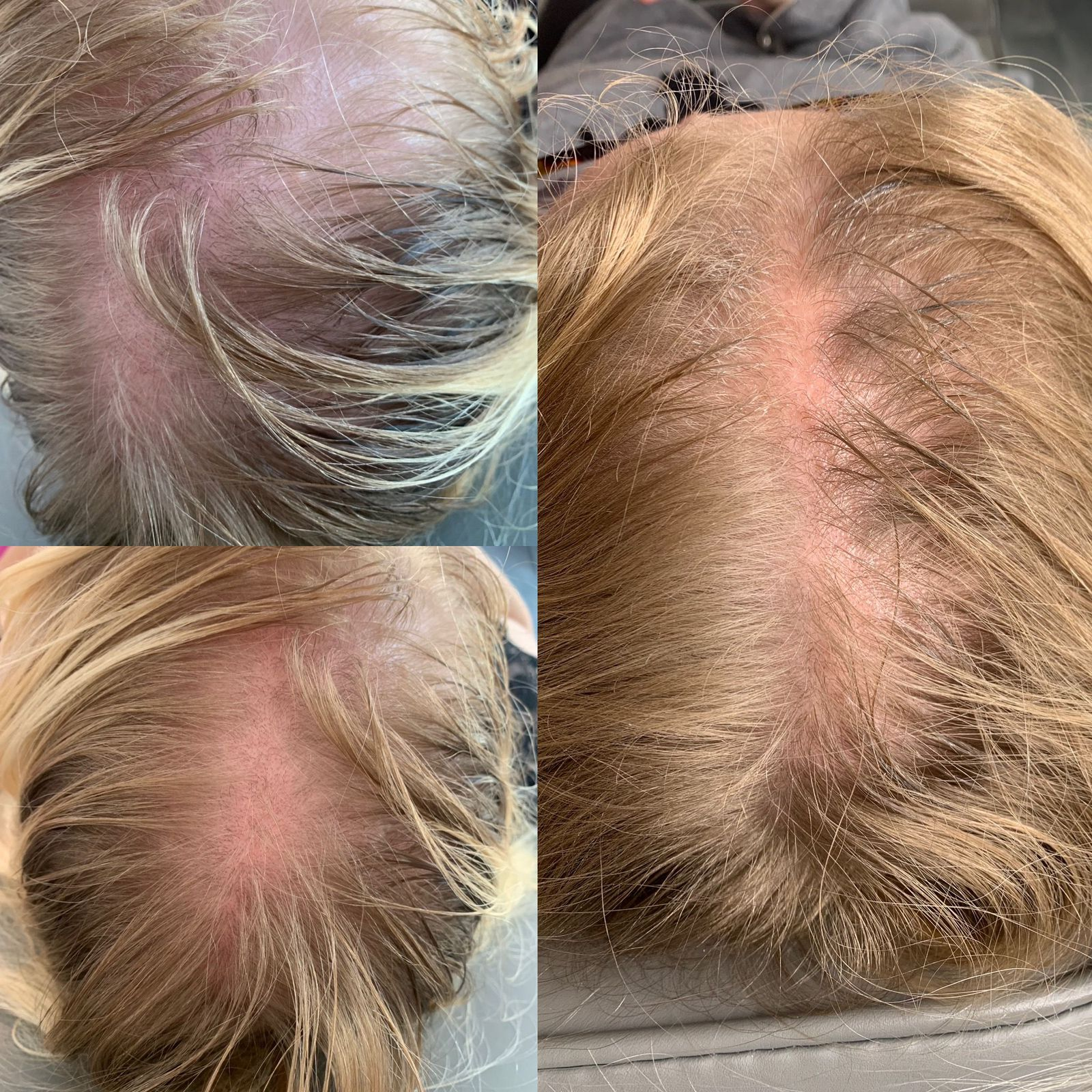
What Is PRP Therapy For Hair Loss?
PRP stands for platelet-rich plasma. Before you can understand how it works for hair loss, it’s good to have a quick overview of what a platelet-rich plasma is.
Plasma is the liquid component of the blood, and platelets, are a type of blood cell that has a lot of growth factors and promotes healing throughout the body. A platelet-rich plasma is simply a blood with a higher concentration of platelets.
PRP injections are commonly used in sports medicine because of their effectiveness in injury healing and tissue regeneration. PRP is widely used in the NHS as well.
However, research also suggests that PRP is effective in preventing hair loss and stimulating new hair growth, which is why they are getting popular in aesthetic medicine and hair loss treatment.
A PRP therapy for hair loss is a non-surgical 3-step hair restoration that involves:
drawing your own blood
processing the blood
injecting it into your scalp to boost hair growth
Below is a more detailed explanation of what to expect during your PRP therapy for hair loss.
What Does The Procedure Look Like?
Remember: prior to these steps, a healthcare professional will evaluate your case of hair loss, and see if PRP therapy is a suitable option for you during a consultation.
Step 1: Blood Collection
Your nurse will draw a small amount of blood from your arm–just like in a normal blood routine test.
Step 2: Centrifugation
The collected blood will then be placed in a centrifuge (a lab equipment that spins rapidly to separate the blood’s components). This separates your blood into three layers:
Platelet-poor plasma
Platelet-rich plasma
Red blood cells
The platelet-rich plasma is collected in a syringe for injections.
Step 3: Injection
The platelet-rich plasma is injected over the areas of your scalp experiencing hair loss. This entire procedure takes less than a half-hour.
Post-Injection
You can resume your normal activities after getting your PRP injections. However, you will be advised to avoid washing your hair and doing vigorous exercises 12 hours after the treatment.
Follow-up Sessions
Depending on your treatment plan, you will go through a number of follow-up sessions. Most PRP therapies require three sessions that are 4-6 weeks apart, but the number of sessions will usually vary per patient’s extent of hair loss and response to the treatment.
How Does PRP For Hair Loss Work?
When injected into your scalp, PRP optimises the function of your skin cells and boosts the blood supply in your hair follicles. In turn, this can help activate hair growth around balding areas.
Here are some ways it helps with hair loss:
Increases hair count
Encourages thickness in the hair shaft
Extends the hair cycle’s growth stage
Stimulates growth after hair transplants
Treats male pattern baldness
Efficacy
As with most hair loss treatments, PRP is not 100% conclusive, but it can be incredibly effective in qualified candidates. In fact, several researches have had some promising results. Here are some of them:
In a 2014 study, it was found that PRP injections increased the number of follicles in individuals with androgenic alopecia.
In 2015, people receiving PRP injections for 3 months had improvements in hair number, thickness, and root strength,
In 2019, PRP treatments were found more effective than minoxidil (Rogaine) in improving hair growth.
In 2021, a study showed that PRP has a positive effect on treating Female-Pattern Hair Loss by increasing hair density and thickness.
Different factors influence the efficacy of PRP for hair loss. But if you are contemplating whether it might be an option for you or not, below are some of the candidates who might benefit from PRP therapy.
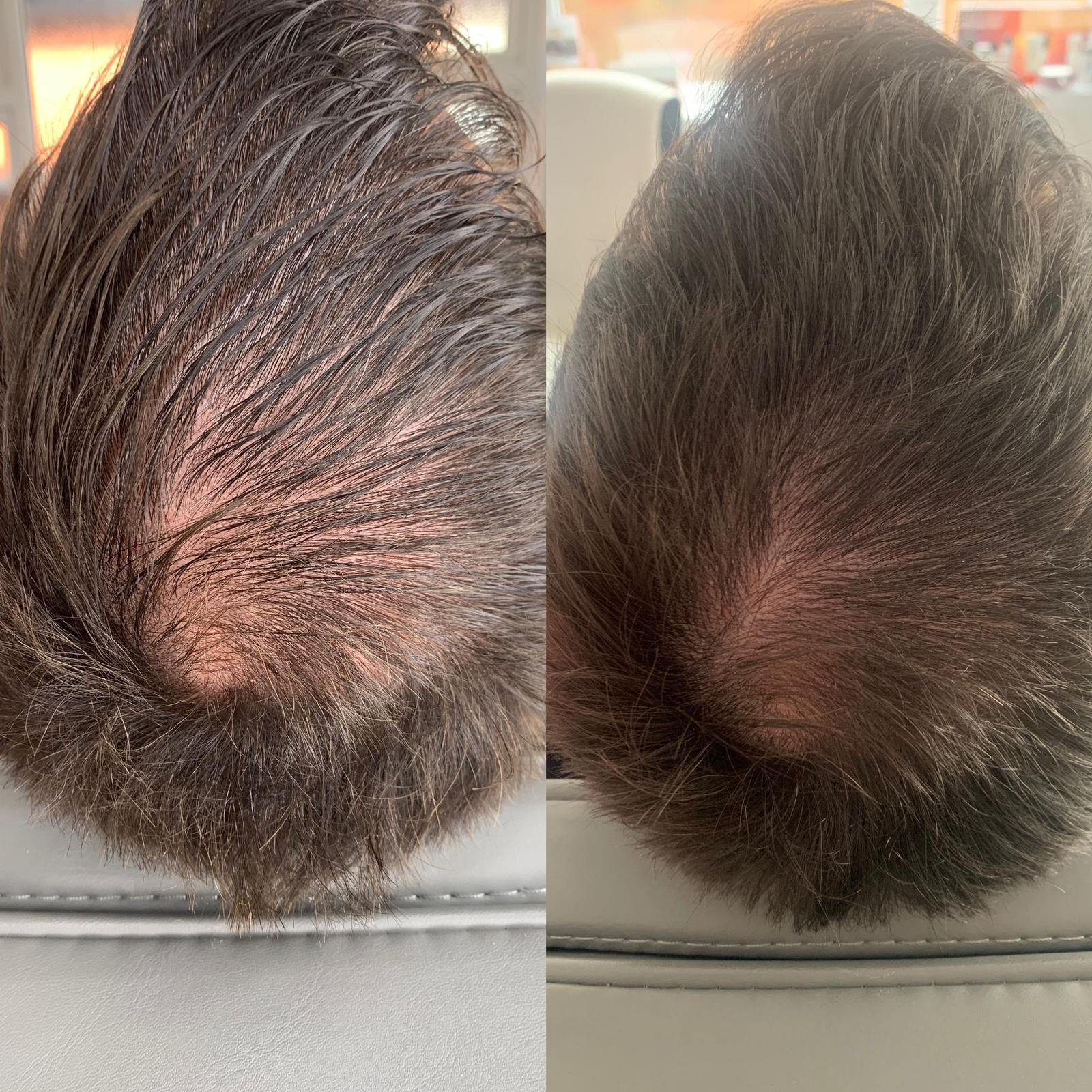
Candidates For This Treatment
The suitability of individuals for PRP (Platelet-Rich Plasma) therapy for hair loss can vary, but generally, here are some ideal candidates.
Individuals with:
Genetic hair loss
Early-stages hair loss
Stress-related hair loss
Androgenic Apolecia
Hormonal-related hair loss
Menopause-related hair loss
Age-related hair loss
Alopecia-related hair loss
Higher platelet levels
PRP is often more effective in androgenic alopecia. When you have this kind of hair loss, your hair follicles get smaller, and PRP can make them grow again or even activate dormant follicles.
It was also found that PRP works better for individuals with a higher number of platelets than those with lower.
Safety And Risks
Compared to other hair loss treatments, PRP is generally safe and has minimal side effects. The good thing about it is that the treatment comes from your own blood, so there is no risk of allergic reactions.
Depending on your pain tolerance, you may only experience discomfort at the injection site which usually disappears after the procedure. Rarely do some patients feel tenderness in the treated area, but this goes away within a few days.
However, at the hands of inexperienced practitioners, there is still the risk of the following:
blood vessel or nerve damage on the scalp
scarring
infection at the injection site
side effects from anesthesia used during the procedure
Your doctor or nurse will know your tolerance to anesthetics before your procedure to avoid any negative reactions to it. They may also ask if you have a history of severe scarring.
This is why before receiving PRP for hair loss, it’s important to consult with a trusted aesthetic clinic and nurse prescriber, like Aesthetic Nursing By Rachael, who can assess your individual health status and your suitability for the therapy.
Cost
Hair restoration is a personalized treatment plan, so the price will depend on the number of treatment sessions you have to go through.
The cost also varies on factors including:
your location and provider
quality of equipment
the addition of nutritive components
As of 2023, the average cost of PRP therapy ranges from (£250 up to £750 GBP) depending on the number of treatments.
If you’re at or near Kettering, you can trust Aesthetic Nursing by Rachael to provide transparent pricing for your PRP for hair loss sessions. The consultation is free for our first-time patients, and we can outline your treatment plan’s estimated costs for you!