
Everything You Need To Know About Skin Peels
What is a skin peel?
Skin peel, also known as derma peeling, is a cosmetic procedure that boosts the appearance of your facial skin. It uses chemical solutions (liquid acidic solution) to generate reactions on the top layers of the skin, causing them to peel off.
When the surface layers exfoliate, they eventually reveal a renewed, smoother, and brighter overall facial texture and appearance.
There isn’t any peeling of the skin just a good exfoliate. If you want skin resurfacing where layers of the skin peel this should be done in a hospital setting especially considering our skin is our largest organ and needs to be done under fully sterile conditions.
Skin peeling is an effective way to even out fine lines, treat certain types of acne and uneven skin tone, and reduce the appearance of facial lines and large pores.
Benefits
Aside from the said major results you can expect from a skin peel, it also offers the following benefits:
Reduced sun spots, age spots, and scaly patches
Rejuvenated facial tissues
Removal of dead skin cells which allows for new skin to develop
Decreased pore size
Before
Schedule an appointment with your nurse prescriber. During that time, they will check your condition and create a treatment plan based on your needs.
Avoid direct sun exposure and stop your retinol intake two weeks before getting your procedure.
Prepare your skin by using topical products as instructed.
Note: Be completely open and honest with your nurse practitioner. Inform her of your health conditions and history, current medications, and other factors that may affect your procedure.
During
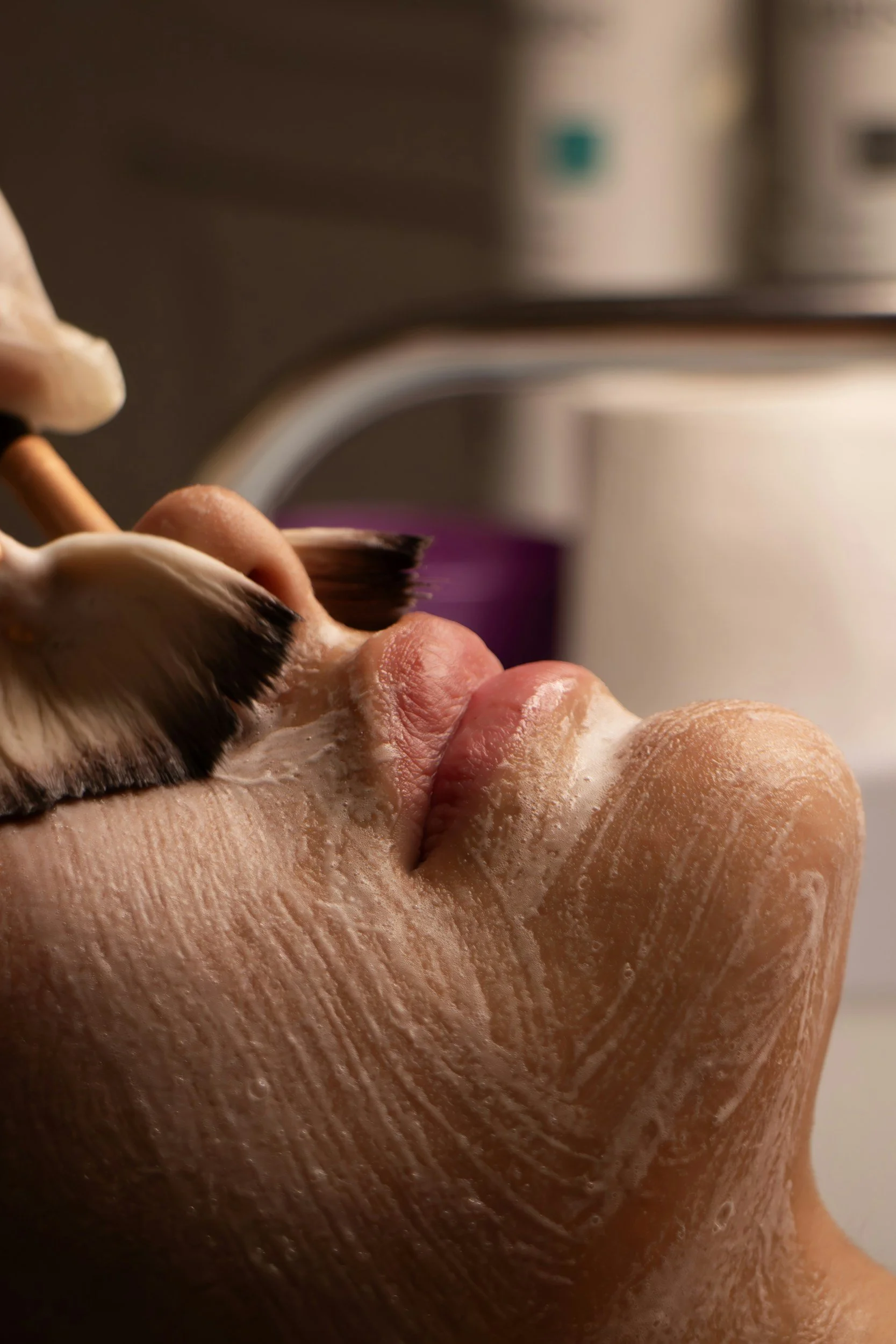
First, your face will be carefully cleansed to remove excess oil and dirt.
Next, your mouth, eyes, and hair will be covered using a protectant to keep out the liquid peel from reaching them.
After that, your nurse will start to apply the liquid peel on your face using an applicator. The thickest regions of the face will be treated first.
It’s normal for you to feel a hot and stinging sensation that will last for a few minutes.
Once finished, a neutralising agent will be used to wash the peel off your face.
Note: For deep chemical peel, a general anaesthetic will be injected in certain areas of your face prior to the application of liquid peel/chemical. These kinds of peels are not available at Aesthetic Nursing by Rachael.
After (Downtime and Recovery)
For superficial peels, you will experience a sunburn-like (redness) appearance with flakiness for three to seven days.
For medium peel, expect redness, swelling, and flaking for seven to 14 days.
For deep chemical peel, you may get normal burn wounds that may last for several weeks.
Follow Rachael’s aftercare suggestions. For example, use sunscreen 50 SPF daily.
Avoid wearing make-up for a certain period as instructed.
Go to all your scheduled clinic sessions.
There are three main categories of skin peel treatments. Each type uses a specific chemical solution with definite harshness for a certain condition.
Superficial peels – use mild acid that penetrates the top layer of your skin to correct discoloration.
We offer Glycolic, Salisilic and Lactic Acid in clinic which all sit under the superficial peel ranges
Medium-level peels – infuse the mid-layer of your skin to reduce age spots, mild wrinkles, and acne
Deep peels – treat deeper wrinkles and acne scars and remove damaged skin cells (ex. sun-damaged cells) on your face
Cost
In the UK, the cost of chemical peels typically ranges from £60 to £100 for mild peels. However, deeper peels may be priced at more than £500.
Our Glycolic peels (Epiderma5 range) are £45 and the appointment lasts 30 minutes (Express Facial). These are classed as Starter Peels when booking online.
Our Glycolic, Salisilic and Lactic acid peels (Alpharet Skin Better Science range) are £120 and the appointment lasts 1 hour (luxury facial). This is classed as an advanced peel when booking online.